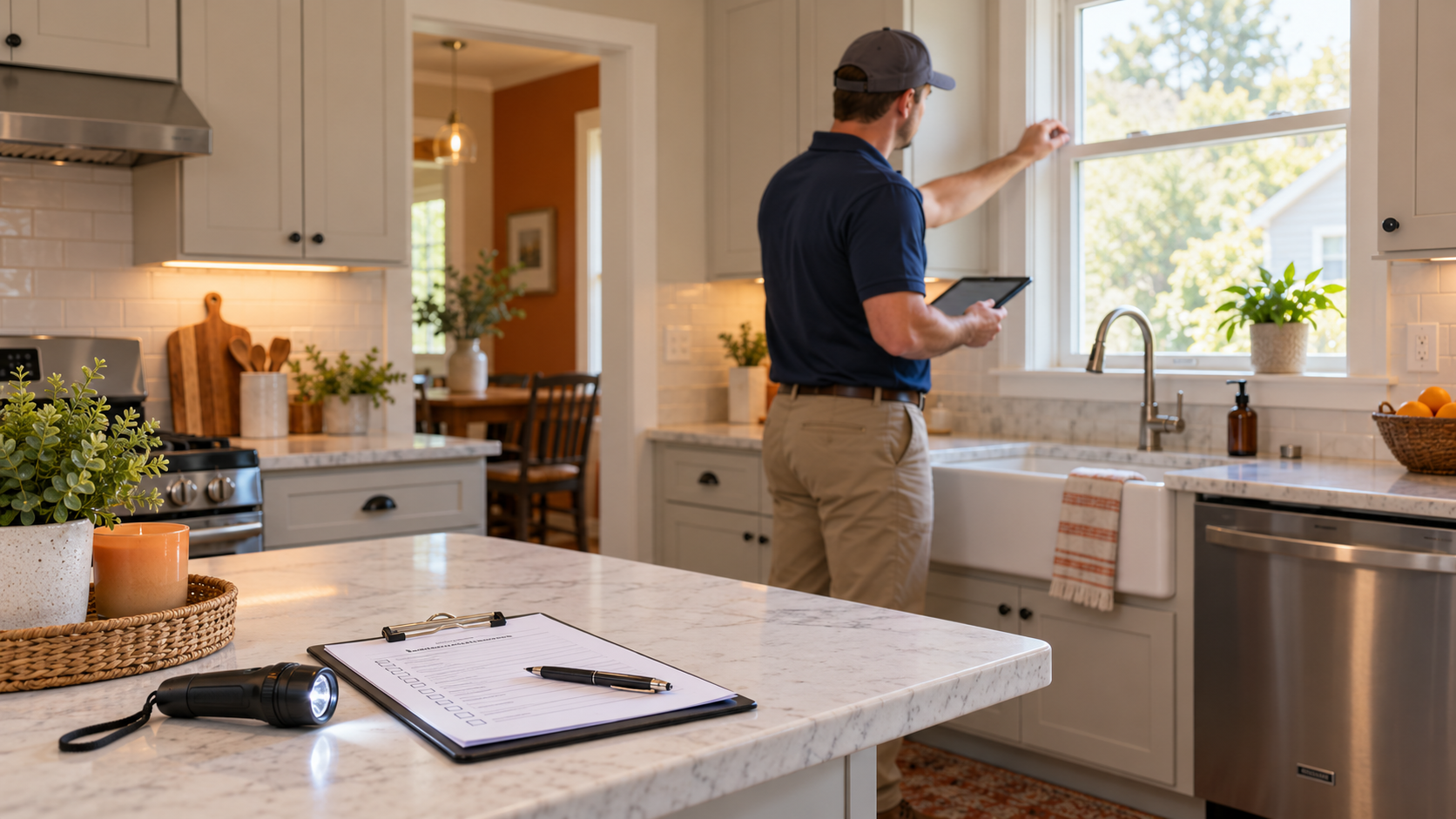
What I Tell Sellers Before the Home Inspection
You’ve accepted an offer on your home. You’ve agreed on the price and terms, and you’re ready to start thinking about moving.
Then the buyer has the home inspected, and a list of repair requests arrives.
This can be an uncomfortable part of selling a home, especially if you weren’t expecting another negotiation. That’s why I discuss inspections with my sellers before we even sign a listing agreement. I want them to understand what’s likely to happen and how we’ll work through it together.
Expect the inspector to find something
Even a well-maintained home will usually have items noted in an inspection report. You live in your home every day, but you probably aren’t regularly looking in the attic, checking under every sink, or examining every outlet.
A report may include routine maintenance, older equipment, safety concerns, and items that need further evaluation. With photos and detailed descriptions, it can make a home you’ve cared for look like it has an awful lot wrong with it.
The first thing we’ll do is put those findings into perspective. We need to understand what each concern means, whether more information is needed, and how significant it is.
The inspection report isn’t a repair list
An inspector reports on the condition of the home. The buyer then decides which concerns to bring into the negotiation.
Those are two separate steps. An item appearing in the report doesn’t automatically mean the seller needs to repair or replace it.
We’ll look at what the buyer is requesting and why. Is something failing to work properly? Is it an older component that’s still doing its job? Is the request about maintenance, a cosmetic preference, or a more substantial problem?
We’ll also consider what was already known about the home and reflected in the price. Sometimes we need an estimate or an evaluation from a qualified professional before deciding how to respond.
Why I often prefer a closing-cost credit
When a seller is willing to help with an inspection concern, I often prefer negotiating a credit toward the buyer’s closing costs, when the buyer’s financing allows it.
That credit can reduce the cash the buyer needs for closing, leaving them with more money available to handle the work themselves. They can choose who does it and decide how they want it completed.
In my experience, seller-completed repairs can become another source of disagreement. The seller may believe the work is finished, while the buyer is unhappy with the materials, workmanship, or result. Giving the buyer control over the work can help avoid that frustration.
This is a credit applied at closing. There is no money held aside for future repairs.
Some concerns need attention before closing
Health and safety issues deserve particular attention and may need to be corrected before the sale closes. A buyer’s lender may also require certain repairs.
Other requests may involve routine maintenance or improvements that don’t need immediate attention. We’ll work through those distinctions carefully rather than treating every item in the report as equally urgent.
The right response depends on the actual concern, the contract, and the requirements of the transaction.
Keep your priorities in view
A repair request can feel personal. You’ve lived in the home, taken care of it, and perhaps raised your family there. It’s understandable to feel defensive when someone presents a list of things they want changed.
My job is to help you evaluate those requests with your goals in mind.
We’ll consider the likely cost, your moving schedule, what you’ll receive from the sale, and the value of keeping an otherwise workable agreement together. You may agree to a request, offer a different solution, or decline it.
You don’t need to make those decisions before listing your home. But you should know that the conversation may be coming.
That’s why I bring it up early. When inspection requests arrive, I want my sellers to feel prepared, understand their options, and have the information they need to decide what makes sense for them.
